Car Maintenance Checklist: What UK Drivers Should Check
A simple car maintenance guide for UK drivers, covering tyres, engine oil, brakes, fluids, battery health, MOT rules and everyday safety checks.

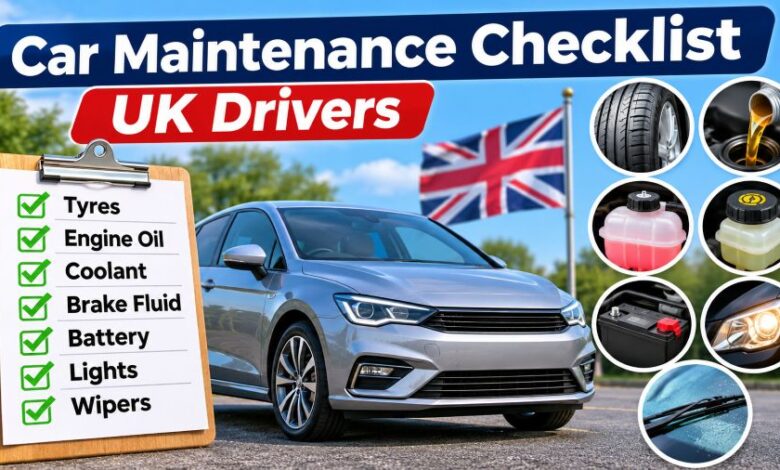
Introduction
Car problems can start small. A slow leak. Worn tyres. Low engine oil.
Most drivers notice them late.
A regular car maintenance checklist helps you spot problems before they become expensive repairs. It also keeps your vehicle safer on British roads.
You don’t need mechanical experience. Many checks are simple and take little time.
This guide explains what UK drivers should check, how often to inspect their cars and when to call a mechanic.
Quick Facts About Car Maintenance in the UK
| Item | Key Information |
|---|---|
| Main purpose | Keep vehicles safe and roadworthy |
| Basic checks | Tyres, oil, coolant, brakes and lights |
| Tyre pressure | Check weekly when tyres are cold |
| Fluid levels | Check at least weekly, where accessible |
| Minimum tyre tread | 1.6 mm for standard passenger cars |
| Engine oil | Check according to the vehicle handbook |
| Car servicing | Follow manufacturer intervals |
| First MOT in Great Britain | Normally after three years |
| First MOT in Northern Ireland | Normally after four years |
| MOT frequency after first test | Normally every 12 months |
| Main reference | Vehicle owner’s handbook |
Essential Car Maintenance Checklist for UK Drivers
Every car needs regular attention. Some parts wear faster than others.
Start with these basic checks.
| Car Part | What to Check | When to Check |
|---|---|---|
| Tyres | Pressure, tread and visible damage | Weekly |
| Engine oil | Oil level and possible leaks | Weekly or as directed |
| Coolant | Reservoir level and leaks | Weekly, when cold |
| Brake fluid | Fluid level and warning signs | Weekly, if accessible |
| Battery | Starting problems and visible condition | Monthly |
| Headlights | Operation and visible damage | Before driving |
| Brake lights | Working correctly | Before driving |
| Windscreen wipers | Wear and cleaning performance | Monthly and when needed |
| Screenwash | Fluid level | Weekly |
| Steering | Unusual noises or vibrations | While driving |
| Suspension | Knocking or uneven tyre wear | During routine inspections |
| Exhaust | Leaks, unusual noises or fumes | When symptoms appear |
| Air filters | Condition and replacement schedule | During servicing |
| Seat belts | Damage and buckle operation | Before use |
This basic car maintenance checklist covers common problems.
Your vehicle may need extra checks. Always follow its service handbook.
What Should You Check Before Every Drive?
A quick look helps.
Before starting your journey, check that your windscreen and mirrors are clean. Make sure your lights work.
Check the brakes respond normally.
Look around the car. Notice any flat tyres, leaking fluids or unusual damage.
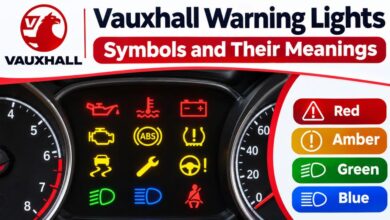
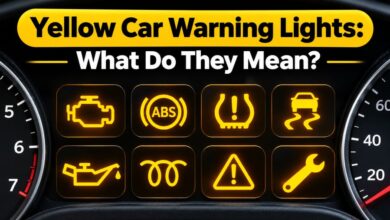
Pay attention to dashboard warnings.
Do not ignore serious faults. A vehicle can become unsafe even with a valid MOT certificate.
A Quick Pre-Drive Routine
- Check windscreen visibility.
- Make sure mirrors are clear.
- Confirm the lights work.
- Look for obvious tyre damage.
- Check for fluid leaks.
- Watch dashboard warning lights.
- Make sure the brakes work normally.
If something feels wrong, investigate it before continuing.
How to Check Your Car Tyres
Tyres deserve regular attention. They keep your vehicle in contact with the road.
Incorrect pressure can affect steering, braking and tyre wear.
Check Tyre Pressure
Use a reliable tyre pressure gauge.
Check pressures when the tyres are cold, preferably before driving.
The correct figures are usually found in the owner’s handbook or on the vehicle’s tyre-pressure label.
Some cars need different pressures when carrying passengers and heavy luggage.
Follow the manufacturer’s figures.
Check Tyre Tread Depth
UK law requires standard car tyres to have at least 1.6 mm of tread across the central three-quarters of their width, around the entire circumference.
A tyre depth gauge gives a clear reading.
Check several areas of each tyre.
Also look for cuts, bulges and uneven wear. A tyre can be unsafe even if its tread meets the legal limit.
Check for Uneven Tyre Wear
Look at both edges. Check the centre too.
Uneven wear can point to incorrect tyre pressure, wheel alignment problems or worn suspension parts.
Ask a tyre specialist to investigate.
A regular tyre pressure check can help prevent problems.
How to Check Engine Oil
Your engine needs the correct oil level.
Too little oil can cause serious damage. Too much can also create problems.
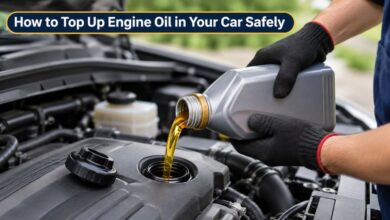
Checking Engine Oil Safely
- Park on level ground.
- Follow the handbook’s engine temperature instructions.
- Open the bonnet safely.
- Find the dipstick, if fitted.
- Remove and wipe it clean.
- Reinsert it fully.
- Remove it again and read the level.
- Add the correct oil if needed.
The oil should remain within the recommended range.
Some modern vehicles have electronic oil monitors instead of traditional dipsticks.
Never guess the oil specification.
Use the grade and approval listed by the manufacturer.
When Should You Top Up Engine Oil?
Top up when the level approaches or falls below the minimum mark, following the handbook.
Add small amounts. Check the reading again.
Avoid overfilling.
If the level drops frequently, ask a mechanic to check for leaks or excessive oil consumption.
A red oil-pressure warning needs immediate attention. Stop safely and switch off the engine, following the vehicle handbook.
Coolant Level Check: Keep the Engine From Overheating
Engine coolant helps control operating temperature.
Low coolant can lead to overheating.
The coolant reservoir usually has minimum and maximum markings.
Check the level when the engine is cold.
If the level is low, use the correct coolant specified for your vehicle.
Never remove a hot coolant cap. The system may be pressurised and cause serious burns.
Watch for these problems:
- Coolant leaking underneath the car.
- Temperature warning lights.
- Repeated coolant loss.
- Unusual engine temperature readings.
- Steam coming from the engine area.
Stop driving safely if the engine overheats.
Let it cool naturally. Arrange professional help if needed.
Brake Fluid Inspection and Brake Safety Checks
Good brakes matter every day.
Brake fluid helps transfer pedal pressure through the braking system.
Check the reservoir level against its markings if it is accessible.
An unusually low level may indicate worn brake components or a fluid leak.
Don’t keep topping it up without finding the cause.
Signs Your Brakes Need Attention
- Grinding or squealing noises.
- A soft or spongy brake pedal.
- The car pulling while braking.
- Brake warning lights.
- Reduced braking performance.
- Unusual pedal travel.
Get brake faults inspected promptly.
If braking becomes unsafe, stop in a safe place and arrange recovery rather than continuing your journey.
Car Battery Maintenance
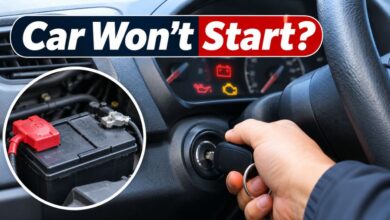
A weak battery often causes starting problems.
Cold weather can make those problems more noticeable.
Look for slow engine cranking, repeated flat batteries or electrical faults.
If accessible, inspect the battery casing for obvious damage.
Keep the battery secure.
Do not disconnect terminals or work on the electrical system unless you know the correct procedure.
Modern vehicles may need special steps after battery replacement.
A garage can test the battery and charging system.
Simple Battery Care Tips
Drive the vehicle regularly where practical.
Avoid leaving electrical equipment running unnecessarily when the engine is off.
Have repeated starting problems checked.
Also remember that electric and hybrid vehicles can have a separate 12V battery.
Check Car Lights and Indicators
Working lights help other road users see you.
They also show your intentions.
Check headlights, rear lights, indicators, brake lights and number plate lights.
Inspect fog lights where fitted.
You can ask another person to confirm the brake lights work or use a safe reflective surface.
Replace faulty lights promptly.
Some modern LED light units need professional repair.
Cloudy lenses and badly adjusted headlights also deserve attention.
Windscreen, Wipers and Screenwash Checks
Poor visibility makes driving harder.
Rain, road dirt and winter salt can quickly cover your windscreen.
Inspect the glass for chips and cracks.
Check the wiper blades for damage.
Replace blades that leave streaks or fail to clear water properly.
Keep the screenwash reservoir topped up.
Use screenwash suitable for the weather. Winter mixtures should offer appropriate freeze protection.
Also check the washer jets.
They should direct fluid onto the glass.
Steering, Suspension and Exhaust Checks
Some vehicle faults appear while driving.
Watch for changes in steering response.
A car that pulls to one side may have tyre, alignment, suspension or brake problems.
Unusual vibrations also need investigation.
Signs of Suspension Problems
Listen for knocking sounds.
Look for uneven tyre wear.
Notice excessive bouncing or poor handling.
A mechanic can inspect shock absorbers, springs and related components.
Exhaust System Checks
Listen for unusually loud exhaust noise.
Watch for visible leaks or damaged sections.
Exhaust fumes entering the cabin are especially dangerous.
Stop safely, leave the vehicle and arrange professional assistance if you suspect an exhaust leak affecting the cabin.
Monthly Car Maintenance Checklist
A monthly car maintenance checklist gives you time to check parts that are easy to miss.
Use this vehicle maintenance checklist as a reminder.
| Monthly Check | What to Look For |
|---|---|
| Tyres | Tread depth, damage and uneven wear |
| Battery | Starting performance and visible damage |
| Wipers | Cracks, streaks or poor contact |
| Windscreen | Chips and cracks |
| Lights | Damaged lenses and faulty bulbs |
| Bodywork | Corrosion and loose fittings |
| Mirrors | Damage and secure mounting |
| Seat belts | Fraying and damaged buckles |
| Under the car | New fluid stains or leaks |
| Service records | Upcoming maintenance work |
These monthly checks supplement weekly and pre-drive inspections.
They do not replace them.
How Often Should You Service Your Car?
Car servicing depends on the manufacturer’s schedule.
Mileage matters. So does time.
Some vehicles also use electronic service indicators.
A common full-service interval is around 12 months or 12,000 miles, whichever comes first.
But this isn’t correct for every vehicle.
Always use the manufacturer’s instructions.
What Does a Car Service Include?
Typical service work may include:
- Engine oil and oil filter replacement.
- Air filter inspection or replacement.
- Brake inspection.
- Tyre condition checks.
- Fluid inspections.
- Steering and suspension checks.
- Battery and charging checks.
- Spark plug replacement when scheduled.
- Drive belt inspection.
- Cabin filter replacement when required.
Transmission fluid, brake fluid, coolant and timing components may have separate service intervals.
A car servicing checklist should follow the actual vehicle, not a generic timetable.
Interim Service vs Full Service
An interim service usually covers fewer items.
It may suit drivers covering high mileage between full services.
A full service involves a wider inspection and the maintenance items included in the garage’s package.
Neither should override the manufacturer’s service schedule.
Keep your invoices and service records. They make it easier to track completed work.
MOT Rules Every UK Driver Should Know
An MOT checks whether a vehicle meets specified road safety and environmental standards at the time of testing.
It is different from routine servicing.
Most standard cars in Great Britain need their first MOT by the third anniversary of registration.
Testing is then normally required every year.
In Northern Ireland, most private cars normally have their first test at four years old, followed by annual testing.
Some vehicle categories and qualifying historic vehicles have different requirements.
Does an MOT Replace Car Maintenance?
No.
A valid MOT does not prove that every part of your car is currently safe.
Tyres can wear.
Lights can fail.
Brakes can develop faults.
Drivers remain responsible for keeping vehicles roadworthy between tests.
Winter Car Maintenance Checklist UK
British winters bring cold mornings, wet roads and icy conditions.
Prepare your car before the temperature drops.
Winter Checks
- Check battery performance.
- Inspect tyre pressure and tread.
- Confirm coolant freeze protection.
- Use winter-ready screenwash.
- Test the heating and demisting systems.
- Replace worn wiper blades.
- Clear ice and snow before driving.
- Keep lights and number plates clean.
Carry practical winter supplies.
Warm clothing, a torch, a phone charger and drinking water may help during unexpected delays.
Never drive with a partially cleared windscreen.
Make sure you have a clear view.
Summer Car Maintenance Tips
Hot weather creates different problems.
Engine temperatures can rise, especially in slow traffic.
Check coolant levels when the engine is cold.
Look for leaks.
Keep tyre pressures correct, particularly before carrying extra luggage.
Test the air conditioning if fitted.
Pay attention to unusual temperature warnings.
If the engine overheats, stop safely and allow it to cool.
What Car Checks Should You Do Before a Long Journey?
A motorway journey puts more demand on your vehicle.
Take time to inspect it first.
Long-Journey Car Checklist
| Check | What to Do |
|---|---|
| Tyres | Check pressures for the planned load |
| Tyre tread | Measure and inspect condition |
| Engine oil | Confirm the correct level |
| Coolant | Check when cold |
| Brakes | Watch for warning signs |
| Lights | Test their operation |
| Screenwash | Top up if needed |
| Wipers | Check cleaning performance |
| Fuel or charge | Plan enough range |
| Spare tyre or repair kit | Check equipment if supplied |
| Warning lights | Investigate unresolved faults |
| Service schedule | Check whether maintenance is overdue |
Also review the weather forecast.
Plan suitable breaks on longer drives.
If your vehicle has no spare tyre, know how its repair kit works and what its limits are.
Car Maintenance for Petrol, Diesel, Hybrid and Electric Cars
Different powertrains need different checks.
Petrol Cars
Petrol engines need routine oil maintenance.
Spark plugs, ignition parts, filters and timing components may also require scheduled replacement.
Diesel Cars
Diesel vehicles need oil and filter servicing.
Some also use AdBlue and diesel particulate filter systems.
Follow the handbook for any warning messages or maintenance needs.
Hybrid Cars
Hybrids combine combustion-engine parts with electrical systems.
They need appropriate servicing for both.
Electric Cars
Fully electric vehicles don’t need conventional engine oil changes.
But they still have tyres, brakes, suspension, wipers and other service items.
Battery cooling, high-voltage systems and charging equipment may need specialist checks.
Never attempt high-voltage repairs yourself.
Common Car Maintenance Mistakes
Small mistakes can become expensive.
Here are some worth avoiding.
Ignoring Warning Lights
A warning may indicate a serious fault.
Read the handbook and take the correct action.
Forgetting Tyre Pressure
Underinflated tyres can affect handling and wear.
Check them weekly.
Using the Wrong Engine Oil
Different engines need different specifications.
Check before buying or topping up.
Opening a Hot Coolant Reservoir
Hot coolant can cause burns.
Let the engine cool first.
Waiting Until the MOT
Problems may appear months before an MOT is due.
Keep checking the car regularly.
Ignoring Strange Sounds
Grinding brakes or unusual knocking need attention.
Don’t assume the noise will disappear.
Easy Car Maintenance Tips for Beginners
Start with the basics.
Learn where the oil, coolant and screenwash checks are located.
Find the tyre pressure information.
Read the dashboard warning-light section of your handbook.
Keep a simple maintenance record.
Write down service dates, mileage and completed repairs.
If you feel unsure, ask a qualified mechanic.
Basic car maintenance should never put your safety at risk.
Final Thought
Good car care starts early.
Check your tyres. Watch fluid levels. Notice unusual sounds.
And don’t ignore warnings.
A regular car maintenance checklist can help UK drivers catch faults sooner, reduce the chance of breakdowns and keep their vehicles in safer condition.
Make the checks a habit.
For repairs and service work, always follow the manufacturer’s advice and use professional help where needed.
Frequently Asked Questions
1. What maintenance does a car need?
Most cars need regular tyre, oil, coolant, brake, light and wiper checks. They also need servicing according to the manufacturer’s schedule.
2. How often should you check your car?
Check visibility, lights and braking before driving. Check tyre pressures and accessible fluid levels weekly. Use monthly inspections for a closer look at other components.
3. What are the basic car maintenance checks?
Tyre pressure, tyre tread, engine oil, coolant, brake fluid, lights, battery condition and windscreen wipers are common basic checks.
4. What should you check on your car regularly?
Check tyres, oil, coolant, screenwash and visible leaks. Watch for warning lights, strange noises and changes in braking or steering.
5. What is the minimum legal tyre tread depth in the UK?
For standard passenger cars, the minimum is 1.6 mm across the central three-quarters of the tyre tread width, around its full circumference.
6. Is car servicing compulsory in the UK?
Routine servicing is not generally a separate legal requirement for private car owners. However, drivers must keep their vehicles roadworthy and meet applicable MOT requirements.
7. What car checks should you do before a long journey?
Check tyres, oil, coolant, lights, brakes, screenwash and fuel or battery charge. Inspect any spare tyre or repair kit and investigate warning lights.
8. Can beginners maintain their own cars?
Yes. Beginners can handle many visual and basic fluid checks. Brake repairs, high-voltage electrical work and other specialist jobs should be left to qualified professionals.