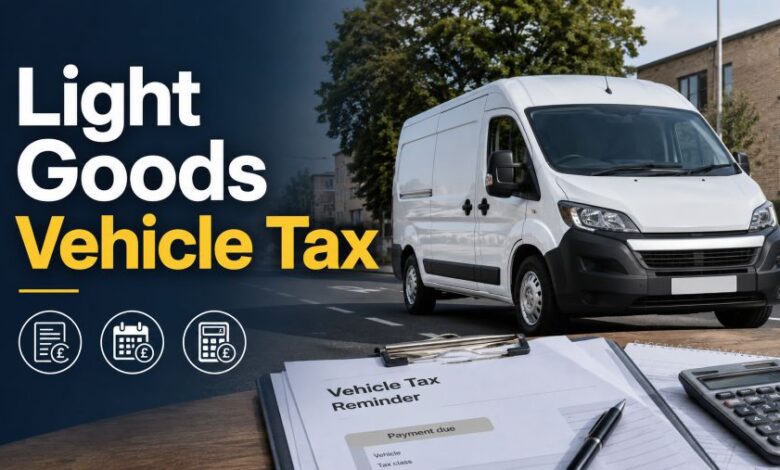
Light Goods Vehicle Tax: Smart 2026 UK Van Guide
Clear UK Guide to LGV Road Tax, Electric Vans, PLG Class and 2026 Rates

Introduction
For most light goods vehicles in 2026, the main UK road tax rate is £360 per year.
Light goods vehicle tax is the road tax paid on many small vans and goods vehicles in the UK.
A lot of drivers ask the same simple question: how much is light goods vehicle tax, and does my van fit this class?
The easy answer is this: many light goods vehicles registered on or after 1 March 2001 and not over 3,500kg revenue weight pay the standard light goods vehicle tax rate. For 2026, that main 12-month rate is £360.
But there are important details. Some Euro 4 and Euro 5 light goods vehicles have a lower rate. Electric vans now usually pay light goods vehicle tax too. PLG and LGV tax classes can also confuse many UK drivers.
This guide explains everything in simple words.
Quick Answer
Light goods vehicle tax is the UK vehicle tax rate for many goods-carrying vehicles up to 3,500kg revenue weight.
For 2026, the main light goods vehicle tax rate is £360 for 12 months or £198 for 6 months.
Euro 4 and Euro 5 light goods vehicles may pay £140 for 12 months if they meet the correct date and emissions rules.
Most electric vans have now moved to the standard annual rate for light goods vehicles.
What Is a Light Goods Vehicle?
A light goods vehicle is usually a vehicle made to carry goods and not weighing more than 3,500kg revenue weight.
This can include many small vans, work vans and delivery vans.
In simple words, it is usually a small goods vehicle, not a heavy goods vehicle.
A Ford Transit Custom, Vauxhall Vivaro, Renault Trafic or similar work van may fall into this type depending on its registration details and tax class.
Is My Van a Light Goods Vehicle?
The easiest way to know is to check your vehicle documents.
Look at your V5C log book, tax class, revenue weight, body type and registration date.
Many light goods vehicles are N1 category goods vehicles designed to carry goods and not exceeding 3,500kg revenue weight.
Do not guess from the van shape only.
A small van, work van or delivery van may be a light goods vehicle, but the correct answer should come from the vehicle record.
Check these points:
- V5C log book
- Tax class
- Revenue weight
- Body type
- Registration date
- Fuel type
- N1 goods vehicle category
- Electric or diesel status
If the vehicle is over 3,500kg, it may not fall under the normal light goods vehicle tax rate.
How Much Is Light Goods Vehicle Tax in 2026?
The main 2026 light goods vehicle tax rate is simple.
For light goods vehicles registered on or after 1 March 2001 and not over 3,500kg revenue weight, GOV.UK lists the 12-month rate as £360 and the 6-month rate as £198 on its official UK vehicle tax rates.
| Light Goods Vehicle Tax | 2026 Rate |
|---|---|
| 12 months | £360 |
| 12 months by Direct Debit | £360 |
| 12 monthly Direct Debit instalments | £378 total |
| 6 months | £198 |
| 6 months by Direct Debit | £189 |
This means paying monthly can cost more over the full year than paying one 12-month payment.
Euro 4 Light Goods Vehicle Tax
Some Euro 4 light goods vehicles have a lower tax rate.
GOV.UK lists Euro 4 light goods vehicles as vehicles registered between 1 March 2003 and 31 December 2006, Euro 4 compliant and not over 3,500kg revenue weight. The 2026 12-month rate is £140.
| Euro 4 LGV Tax | 2026 Rate |
|---|---|
| 12 months | £140 |
| 12 monthly Direct Debit instalments | £147 total |
| 6 months | £77 |
| 6 months by Direct Debit | £73.50 |
This lower rate only applies if the vehicle meets the correct Euro 4 rules.
Do not guess from the van shape. Check the V5C log book and official tax class.
Euro 5 Light Goods Vehicle Tax
Some Euro 5 light goods vehicles also have a lower rate.
GOV.UK lists Euro 5 light goods vehicles as vehicles registered between 1 January 2009 and 31 December 2010, Euro 5 compliant and not over 3,500kg revenue weight. The 2026 12-month rate is also £140.
| Euro 5 LGV Tax | 2026 Rate |
|---|---|
| 12 months | £140 |
| 12 monthly Direct Debit instalments | £147 total |
| 6 months | £77 |
| 6 months by Direct Debit | £73.50 |
This is useful for buyers looking at older vans, but it should be checked before buying.
A cheaper van is not always cheaper to run if the tax class, MOT history, repairs and fuel costs are poor. Before buying, checking vehicle history can help you avoid a bad deal.
Do Electric Vans Pay Light Goods Vehicle Tax?
Yes, most electric vans now pay vehicle tax.
GOV.UK says electric, zero and low emission cars, vans and motorcycles need to pay vehicle tax from 1 April 2025. It also says most electric vans have moved to the standard annual rate for light goods vehicles on its electric vehicle tax guidance.
This means many electric van owners can no longer assume the tax is £0.
For many electric vans, the standard light goods vehicle rate is now the key figure to check.
This is important for small businesses, tradespeople and delivery drivers who switched to electric vans to lower running costs.
Electric vans may still save money on fuel and charging, but road tax must now be included in the full cost calculation.
PLG vs Light Goods Vehicle Tax
PLG means Private/Light Goods.
This is where many UK drivers get confused.
PLG can apply to some private or light goods vehicles, while light goods vehicle tax is normally linked with goods-carrying vehicles in the N1 category up to 3,500kg revenue weight. GOV.UK tax class notes say PLG mainly covers private cars and light goods vehicles not over 3,500kg revenue weight that do not fall under another tax class.
Simple meaning:
| Tax Class Term | Simple Meaning |
|---|---|
| PLG | Private/Light Goods, often used for private or lighter vehicles |
| LGV | Light Goods Vehicle, usually a goods-carrying vehicle up to 3,500kg |
| HGV | Heavy Goods Vehicle, normally goods vehicles over 3,500kg |
The safest method is to check the V5C log book and official tax checker instead of guessing.
Is a Van Always a Light Goods Vehicle?
No, not always.
Many vans are light goods vehicles, but the real answer depends on the vehicle record, tax class, weight and use.
A small work van may be a light goods vehicle.
A heavier goods vehicle may be treated as an HGV.
A converted campervan may have a different body type or tax position.
A private van may still have a light goods tax class depending on how it is registered.
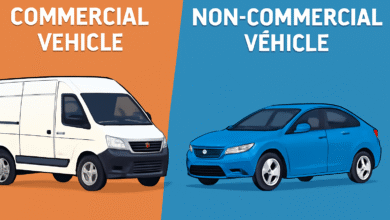
For a wider explanation of vehicle use, read this guide on commercial vehicle vs non-commercial vehicle.
How to Check Your Light Goods Vehicle Tax
You should check three things.
First, check your V5C log book.
Second, check the tax class.
Third, check the revenue weight or gross vehicle weight.
You should also check:
- Registration date
- Fuel type
- Euro 4 or Euro 5 status
- Electric or zero-emission status
- Whether the vehicle has been converted
- Whether the vehicle is used privately or for business
This helps you understand whether the van is under the main LGV rate, Euro 4 rate, Euro 5 rate or another tax class.
How to Tax a Light Goods Vehicle
To tax a light goods vehicle, you normally need one of these:
- V11 tax reminder
- V5C log book
- Green new keeper slip if you just bought the vehicle
You can usually tax the vehicle online, by phone or at a Post Office that deals with vehicle tax.
Before paying, check the amount carefully.
Do not only trust the seller’s words.
The tax class and rate should match the vehicle record.
When Can Vehicle Tax Class Change?
A vehicle tax class can change when the vehicle itself or its use changes.
This can happen when:
- A van is converted
- The body type changes
- The fuel type changes
- The weight changes
- A vehicle starts being used for a different purpose
- A minibus starts being used for profit
- A goods vehicle is modified
This matters because a vehicle that was cheap to tax before may not stay in the same tax class after changes.
If you are planning to buy or lease a van, read the paperwork carefully. This is also important if you are looking at a used vehicle lease.
Light Goods Vehicle Tax and Business Costs
Light goods vehicle tax is only one part of the total cost.
A van owner should also think about:
- Insurance
- Fuel or charging cost
- MOT
- Repairs
- Tyres
- Servicing
- Depreciation
- Parking
- Clean Air Zone charges
- Business use costs
For many UK van owners, servicing and maintenance can cost more than road tax over the year.
That is why it is smart to understand full service cost for car and compare it with van running costs.
Light Goods Vehicle Tax for Company Vans
If a company owns or provides the van, road tax is not the only tax issue.
Company van benefit rules can also matter if an employee uses the van privately.
Private use can create Benefit-in-Kind tax.
This is different from normal vehicle tax.
Business owners should separate these two points:
| Point | What It Means |
|---|---|
| Vehicle tax | Road tax paid to keep the van taxed |
| Benefit-in-Kind | Tax issue when an employee gets private use of a company van |
| Insurance | Cover needed for the real use of the van |
| Business costs | Fuel, servicing, tyres, repairs and downtime |
For company vehicle tax changes, this guide on Rachel Reeves BIK tax changes can help explain the wider tax picture.
SORN and Light Goods Vehicles
SORN means Statutory Off Road Notification.
A light goods vehicle may not need vehicle tax while it is kept off public roads and correctly declared SORN.
But if the van is used or parked on a public road, it normally needs to be taxed.
SORN is useful if a van is broken, unused, stored or waiting for repair.
But do not drive a SORN vehicle on the road unless it is allowed for a specific legal reason, such as going to a pre-booked MOT.
Common Mistakes UK Drivers Make
Many drivers make simple mistakes with light goods vehicle tax.
The most common mistakes are:
- Thinking every van has the same tax rate
- Forgetting that most electric vans now pay tax
- Confusing PLG with light goods vehicle tax
- Not checking Euro 4 or Euro 5 status
- Buying a used van without checking the V5C
- Ignoring vehicle weight
- Forgetting business insurance
- Thinking road tax is the full running cost
These mistakes can cost money.
A few minutes of checking can save a lot of stress later.
Best Way to Understand Your Van Tax
The best way is simple.
Check the V5C.
Check the tax class.
Check the weight.
Check the official tax rate.
Then compare that with your real use.
If the vehicle is a work van, also check insurance and business costs.
If the vehicle is electric, do not assume it is tax-free.
If the vehicle is older, check if Euro 4 or Euro 5 lower rates apply.
If you drive long distances for work, road awareness also matters. This guide on speed camera locations may help UK drivers understand safety and camera areas better.
FAQs
How much is light goods vehicle tax in 2026?
The main 2026 light goods vehicle tax rate is £360 for 12 months and £198 for 6 months.
What is light goods vehicle tax?
It is vehicle tax for many goods-carrying vehicles up to 3,500kg revenue weight.
Do electric vans pay light goods vehicle tax?
Yes, most electric vans now pay the standard annual rate for light goods vehicles.
Are Euro 4 light goods vehicles cheaper to tax?
Yes, some Euro 4 light goods vehicles can pay £140 for 12 months if they meet the correct rules.
Are Euro 5 light goods vehicles cheaper to tax?
Yes, some Euro 5 light goods vehicles can also pay £140 for 12 months if they meet the correct rules.
What does PLG mean?
PLG means Private/Light Goods. It is a vehicle tax class that can include some private and lighter goods vehicles.
Is light goods vehicle tax the same as car tax?
No. Cars and light goods vehicles can have different tax rules and rates.
How do I know if my van is a light goods vehicle?
Check your V5C log book, tax class and revenue weight. Many light goods vehicles are N1 goods vehicles up to 3,500kg.
Can I pay light goods vehicle tax monthly?
Yes, monthly Direct Debit is available, but the total yearly cost can be higher than paying one 12-month payment.
Do I need to tax a van if it is off road?
Not if it is correctly declared SORN and kept off public roads. If it is used or kept on a public road, it normally needs tax.
Final Thoughts
Now you know the rate, who pays it, electric van rules, PLG difference and how to check your own van.
Light goods vehicle tax is important for van owners, tradespeople, delivery drivers and small businesses in the UK.
For 2026, the main light goods vehicle tax rate is £360 for 12 months.
Some Euro 4 and Euro 5 light goods vehicles may pay £140.
Most electric vans now pay the standard light goods vehicle rate too.
The best advice is simple: check your V5C, tax class, registration date, vehicle weight and fuel type before buying, leasing or taxing a van.
That way, you know the real cost before it becomes a problem.