Car Battery Replacement Cost in the UK (2026): Prices, Fitting Fees and What to Expect
Find out how much a new car battery costs in 2026, what garages charge for fitting, and how to avoid paying more than necessary.

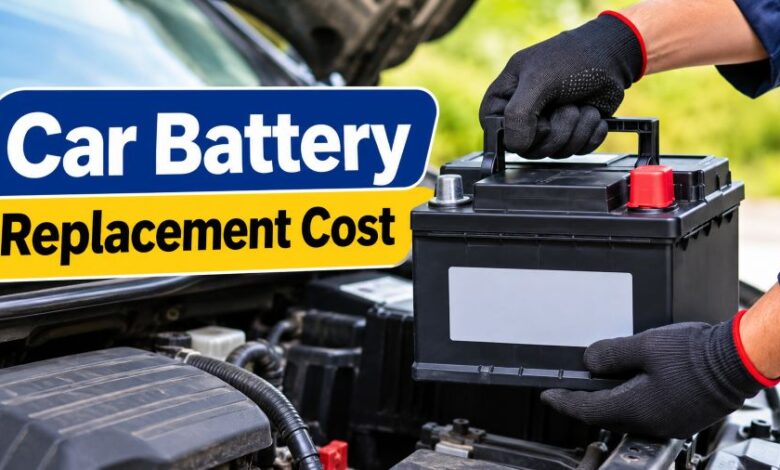
A dead car battery can ruin your morning. One minute, everything seems fine. Next, your car refuses to start.
Now comes the expensive question. How much will a replacement cost?
The average car battery replacement cost in the UK is £214, according to RAC replacement data from January to March 2026. FixMyCar reports a similar average of £217.37 for replacements booked through its service.
But prices aren’t fixed. Some drivers pay much less. Others face bills above £300.
Your battery type matters. So does your car.
Here is what UK drivers should know before buying a replacement.
Quick Facts About Car Battery Replacement Costs
| Detail | Information |
|---|---|
| Service | Car battery replacement |
| UK average cost | £214 (RAC, early 2026) |
| FixMyCar average | £217.37 |
| Typical UK replacement range | £100–£400 |
| Standard battery price | £50–£150, battery only |
| Premium AGM battery price | £100–£250, battery only |
| Halfords fitting | From £35 |
| Average battery lifespan | 3–5 years |
| Common battery types | Lead-acid, EFB and AGM |
| Main price factors | Battery type, vehicle and fitting |
| Battery coding | Required on some vehicles |
| Price information | UK market, 2026 |
These figures are published averages, indicative ranges or advertised starting prices. Your actual quote may differ.
How Much Does a Car Battery Replacement Cost in 2026?
Most UK drivers can expect a replacement bill within the £100–£400 range.
That range is fairly wide. There is a good reason.
Cars need different batteries. An older small car may use a basic lead-acid unit. A newer vehicle with automatic stop-start may need a more expensive AGM battery.
The fitting job matters too.
A battery under the bonnet may be easy to reach. One hidden under a seat or behind interior panels can take more work.
RAC reports an average replacement price of £214, based on its mobile mechanics’ completed replacements from January to March 2026.
FixMyCar lists £217.37 as its average booked replacement price.
These aren’t guaranteed quotes. They come from different services and customer bookings.
Still, they give drivers a useful starting point.
Battery Cost vs Replacement Cost
These prices mean different things.
A battery-only price covers the part. A fitted replacement price covers the agreed installation service too.
According to RAC, standard lead-acid batteries can cost £50–£150. Premium AGM batteries can cost £100–£250.
Labour may be charged separately.
For example, Halfords advertises battery fitting from £35. Actual fitting charges depend on the service and vehicle.
Always check the complete price.
A cheap battery can become an expensive purchase once fitting and extra work are added.
Car Battery Replacement Cost by Manufacturer
Your car’s manufacturer can affect the bill.
Some vehicles require larger batteries. Others need advanced battery technology or electronic registration.
RAC published these average replacement prices for January to March 2026.
| Car Manufacturer | Average Replacement Cost |
|---|---|
| Ford | £230 |
| BMW | £286 |
| Volkswagen | £230 |
| Mercedes-Benz | £258 |
| Nissan | £224 |
| Toyota | £234 |
| Audi | £270 |
| Vauxhall | £226 |
| Peugeot | £235 |
| Land Rover | £266 |
These figures reflect RAC Mobile Mechanics’ completed jobs during that period.
They aren’t manufacturer-set prices.
A Ford Fiesta and Ford SUV may need different batteries. Even two cars from the same model range can have different requirements.
The engine and model year matter.
So, check your exact vehicle before comparing quotes.
Why Can BMW and Audi Batteries Cost More?
Many premium vehicles use advanced electrical systems.
Some have battery management systems. These monitor charging and battery condition.
A replacement may need electronic registration.
Larger batteries can raise costs too.
For example, RAC reports a BMW 3 Series average of £270.57 and a BMW X7 average of £306.37 in its January–June 2026 model-price data.
The difference shows why exact vehicle details matter.
Does Battery Type Affect Replacement Cost?
Yes. Quite a lot.
Three battery types are common in UK cars.
Standard Lead-Acid Battery
This is the traditional choice.
Many older petrol and diesel cars use conventional lead-acid starter batteries.
They provide the power needed for engine starting. They’re usually cheaper than advanced stop-start batteries.
RAC lists standard battery prices between £50 and £150 before fitting.
But don’t choose one by price alone.
It must match your vehicle.
EFB Battery
EFB means Enhanced Flooded Battery.
These batteries handle repeated charging and discharging better than conventional flooded starter batteries.
They’re often found in vehicles with automatic stop-start systems.
They generally cost more than standard batteries.
Replacing an EFB with another compatible EFB is often appropriate. Some vehicles can use an approved AGM upgrade.
Check the manufacturer’s requirements first.
AGM Battery
AGM stands for Absorbent Glass Mat.
These batteries suit demanding electrical systems. They’re commonly used in cars with advanced stop-start technology.
RAC lists premium AGM batteries at £100–£250 before fitting.
That extra cost isn’t always optional.
Battery manufacturer VARTA advises replacing an AGM battery with another AGM battery.
A conventional battery may struggle with the vehicle’s charging and electrical demands.
What Factors Increase Car Battery Replacement Costs?
A few details can change your quote.
Battery Size and Capacity
Cars need different starting power.
Battery capacity is commonly measured in amp-hours (Ah). Starting performance is often measured using cold-cranking amps (CCA).
Bigger isn’t automatically better.
You need the correct specifications.
Vehicle Age and Technology
Older vehicles may have simpler electrical systems.
Newer models can need specialist batteries. Some also require electronic registration after fitting.
That can increase the job’s complexity.
Battery Location
Not every battery sits under the bonnet.
Some vehicles place it in the boot. Others use less accessible locations.
Removing panels takes extra time.
Labour costs may rise.
Garage and Labour Charges
Independent garages, dealerships and mobile mechanics can quote different prices.
Your location also matters.
RAC’s early-2026 replacement data reported average costs of £252 in London and £221 in Birmingham.
These differences reflect the jobs recorded, not fixed local rates.
Extra Electrical Problems
Sometimes, the battery isn’t the only problem.
Loose terminals can cause trouble. So can damaged cables.
A faulty alternator may leave the battery undercharged.
Ask the mechanic to check the fault before approving extra repairs.
How Much Does Car Battery Fitting Cost?
Fitting isn’t always included.
Halfords advertises fitting from £35. Its available services and charges depend on the vehicle and booking method.
Some garages provide one complete price.
Others separate parts and labour.
Ask whether your quote covers battery removal, installation, testing and any required registration.
A useful question to ask:
“Is this the full fitted price, including any battery registration and VAT?”
That one question can prevent confusion.
Is Mobile Battery Replacement More Expensive?
Not always.
Mobile mechanics can visit your home or workplace, depending on their service area.
FixMyCar publishes an average mobile battery replacement booking price of about £196.
That doesn’t mean every mobile job costs less.
Your vehicle and location still affect the quote.
But home fitting can be useful when the car won’t start.
How Long Does It Take to Replace a Car Battery?
Many straightforward replacements take around 15–45 minutes.
Some vehicles need longer.
The mechanic may need to remove covers or other components. Battery registration can also add work.
Allow extra time for testing.
A proper job shouldn’t end with simply installing the battery. The technician should check connections and confirm that the vehicle starts correctly.
What Are the Signs of a Bad Car Battery?
Car batteries rarely give a precise replacement date.
But warning signs can appear.
Watch for these problems:
- Slow engine cranking
- Repeated clicking when starting
- Dim or weak electrical lights
- Frequent flat-battery problems
- Difficulty starting in cold weather
- Unusual battery swelling or leakage
- Electrical accessories behaving strangely
One warning sign doesn’t prove battery failure.
For example, a clicking sound can also point to another starting-system fault.
Testing helps find the cause.
A swollen or leaking battery needs professional attention. Avoid handling a visibly damaged battery.
How Can You Check Your Car Battery’s Health?
A battery test can save money.
Start with a professional health check. The mechanic can examine the battery and its charging system.
For a conventional 12V lead-acid battery, a rested, fully charged reading is generally around 12.6 volts.
A lower reading may mean the battery needs charging.
But voltage isn’t the whole story.
A weak battery can show reasonable voltage and still struggle under load.
A proper battery test checks starting performance. It can help distinguish a discharged battery from one that can no longer work reliably.
Halfords also offers a free battery check.
How Long Does a Car Battery Last?
Most conventional car batteries last around three to five years.
Some last longer. Others fail earlier.
Driving habits make a difference.
Short journeys may not replace the charge used during starting. Long periods without driving can also leave the battery discharged.
Extreme temperatures can shorten battery life.
So can charging-system problems.
A three-year-old battery doesn’t automatically need replacement.
If it passes testing, it may still have useful life.
Can You Recharge a Battery Instead of Replacing It?
Sometimes, yes.
Imagine leaving your headlights on overnight.
The battery may be discharged rather than damaged. Charging it with a compatible charger could restore normal operation.
But repeated flat-battery problems need investigation.
The battery may no longer hold enough charge. Or the car may have an electrical fault.
A jump-start can get the engine running. It doesn’t prove the battery is healthy.
Don’t buy a replacement based on guesswork.
Get it tested.
Can You Replace a Car Battery Yourself?
Some older cars have straightforward battery installations.
But newer vehicles can be less forgiving.
Disconnecting the battery may affect stored settings. Certain cars need battery registration.
An incorrect replacement battery can also cause trouble.
Check your owner’s manual before attempting any work.
Use the correct battery specifications and safety procedures.
If you’re unsure, professional fitting is the safer choice.
The same applies to vehicles with difficult battery access.
And remember, the conventional 12V battery is different from a hybrid or electric vehicle’s high-voltage propulsion battery.
High-voltage battery work requires specialist training.
Is an Electric Car Battery Replacement More Expensive?
It depends on which battery needs replacing.
Many electric vehicles have a low-voltage battery for electrical systems. They also have a much larger high-voltage battery that powers the vehicle.
Replacing the low-voltage battery is a different job from replacing the main propulsion battery.
High-voltage battery replacement can cost thousands of pounds.
Don’t confuse those prices with standard car battery replacement quotes.
A routine 12V replacement doesn’t mean the vehicle needs an expensive propulsion battery repair.
How Can You Save Money on Car Battery Replacement?
Start with a battery test.
Don’t assume every starting problem requires a new battery.
Then compare fitted prices.
Check local independent garages, established fitting services and mobile mechanics.
Use the same battery specifications when comparing prices.
A few practical checks help:
- Confirm the correct battery type.
- Compare the full fitted price.
- Ask whether VAT is included.
- Check if coding is necessary.
- Read the battery warranty.
- Confirm old-battery recycling arrangements.
- Check whether other repairs are needed.
Don’t buy an unsuitable battery to save a little money.
That choice can become expensive.
Is a Car Battery Replacement Covered by Warranty?
It can be.
Battery warranties vary between brands and retailers.
Some cover manufacturing defects for several years. Other terms may apply to the vehicle’s original battery.
Wear, misuse or charging-system problems may not be covered.
Read the warranty conditions carefully.
If the battery has failed early, check its coverage before buying another.
Keep your purchase receipt too.
What Happens to Your Old Car Battery?
Old car batteries need proper recycling.
Lead-acid batteries contain materials that require safe handling. They shouldn’t go into ordinary household waste.
Many battery retailers and fitting services offer recycling arrangements.
Halfords states that it recycles old batteries free of charge when using its fitting service.
Ask about disposal before booking.
Final Thought
Car battery replacement doesn’t have one fixed price.
For UK drivers, RAC’s early-2026 average of £214 is a useful reference. FixMyCar’s published average of £217.37 is close.
Your actual cost may be different.
A basic battery can be inexpensive. A premium AGM battery, difficult fitting job or electronic registration can push the total higher.
So check the battery first.
Then compare complete quotes.
The best replacement isn’t necessarily the cheapest one. It’s the correct battery, fitted properly, at a fair price.
Frequently Asked Questions
1. How much does it cost to replace a car battery in the UK?
RAC reports an average of £214 from its January–March 2026 replacement data. FixMyCar reports £217.37 for booked replacements. Individual prices vary by vehicle and battery type.
2. Is £200 expensive for a car battery replacement?
Not necessarily. £200 is close to published UK averages. The value depends on the battery specification, fitting work and included services.
3. How much does Halfords charge to fit a car battery?
Halfords advertises battery fitting from £35. The actual charge depends on your vehicle and the fitting option selected.
4. Why are AGM car batteries more expensive?
AGM batteries are built for demanding electrical systems and repeated charge cycles. They commonly cost more than standard flooded batteries.
5. How often should a car battery be replaced?
A typical conventional battery lasts three to five years. Replacement should depend on condition, test results and performance, not age alone.
6. Can a car battery be replaced in 15 minutes?
Some straightforward jobs can be quick. Complex battery locations or electronic registration may require more time.
7. Does replacing a car battery require coding?
Some vehicles require battery registration or coding. Others don’t. Check the manufacturer’s requirements for your exact model.
8. Is it cheaper to replace a car battery yourself?
DIY fitting can remove labour charges. But incorrect installation can cause problems, especially on modern vehicles. Professional fitting may be worth the extra cost.