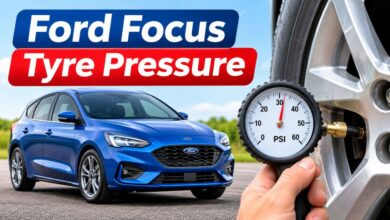
When Should Tyre Pressure Be Checked? What Drivers Need to Know
Learn the best time to check your car's tyre pressure, how often it needs checking, and why cold tyres give more reliable readings.

Introduction
Tyres can lose air without looking flat. You might not notice any difference while driving. But low pressure can affect grip, fuel use, and tyre life.
So, when should tyre pressure be checked?
The best time is before driving, while the tyres are cold. The UK Highway Code recommends checking tyre pressure every week. TyreSafe and Michelin advise checking at least monthly and before long journeys.
Cold tyres give more reliable readings. Driving warms them up and increases their pressure.
Checking takes only a few minutes. And it can prevent bigger problems.
Quick Facts About Tyre Pressure Checks
| Detail | Information |
|---|---|
| Best time to check | Before driving, with cold tyres |
| UK Highway Code recommendation | Every week |
| TyreSafe recommendation | At least monthly |
| Before a long journey | Always check |
| Cold tyre waiting time | Usually 2–3 hours after driving |
| Best equipment | Accurate tyre pressure gauge |
| Pressure measurements | PSI, bar, or kPa |
| Correct pressure | Check the vehicle handbook or pressure label |
| Spare tyre | Check it if fitted |
| With TPMS installed | Manual checks are still needed |
When Should You Check Tyre Pressure?
The timing matters more than many drivers realise.
Your tyres heat up while driving. The air inside warms up, too. This causes the pressure reading to rise.
That reading can be misleading.
For a reliable measurement, check before starting your journey. The tyres should be cold.
Morning is often a good choice. Your car has probably been parked overnight. So the tyres have had time to cool.
Still, morning checks are not essential.
You can check in the afternoon. Evening checks work as well. Just make sure the tyres are cold.
How Often Should Tyre Pressure Be Checked?
Different organisations give slightly different advice.
The UK Highway Code says weekly. TyreSafe recommends at least once a month. Michelin also recommends monthly checks.
The AA suggests checking every couple of weeks.
For UK drivers, weekly checks make sense. They follow the Highway Code’s guidance.
You should also check your tyres before a long journey, even if you checked them recently.
A quick inspection can reveal slow pressure loss before it becomes a bigger problem.
Why Should Tyre Pressure Be Checked When Cold?
Tyres get warmer as they roll. Their pressure increases during this process.
Imagine checking your tyres after motorway driving. The gauge might show more pressure than usual.
That does not automatically mean overinflation.
The extra pressure could simply come from heat.
If you release air immediately, you might create another problem. Once the tyres cool, their pressure could fall below the recommended level.
Never release air from warm tyres just to reach the manufacturer’s cold-pressure figure.
Instead, check again after they cool.
How Long Should Tyres Cool Before Checking?
The answer depends on the guidance used.
Michelin recommends checking after the car has been unused for at least two hours. It also allows checks after a very short, low-speed journey.
The US National Highway Traffic Safety Administration (NHTSA) uses three hours without driving as its standard cold-tyre definition.
For a simple routine, leave the car parked for three hours before measuring.
An overnight wait works well, too.
How to Check Tyre Pressure Correctly
You do not need special mechanical knowledge.
A reliable gauge is enough. You can buy one for home use or use the equipment at a petrol station.
Here is how to check.
1. Find the Recommended Pressure
Start with your vehicle handbook.
You may also find a pressure sticker inside the driver’s door or fuel filler flap.
Look carefully at the figures.
Some vehicles have different front and rear pressures. They may also show separate settings for heavy loads.
Use the figure that matches your vehicle.
2. Make Sure Your Tyres Are Cold
Park the car for several hours.
Avoid checking immediately after a long drive. Warm tyres can show higher readings.
3. Remove the Valve Cap
Find the small valve on the wheel.
Unscrew its protective cap. Keep it somewhere safe.
4. Measure the Pressure
Press the gauge firmly onto the valve.
Read the pressure displayed.
You might see PSI, bar, or kPa. Compare it with the vehicle’s recommended figure.
5. Add or Release Air
Is the pressure too low?
Add air using a tyre inflator. Check the reading again.
If the cold tyre pressure is too high, release a little air.
Stop once you reach the recommended figure.
6. Check the Remaining Tyres
Repeat the process for every wheel.
Do not forget the spare tyre. It may need a different pressure from the road tyres.
Replace the valve caps after checking.
If your car requires a tyre pressure monitoring system reset, follow the handbook.
Should Tyre Pressure Be Checked Before or After Driving?
Before driving is the better choice.
A long journey changes tyre temperature. This affects the pressure shown on your gauge.
Checking before leaving avoids that issue.
But what if you are already driving?
You can still investigate a suspected low tyre. Find a safe place to stop first.
Do not ignore a possible puncture. A tyre that looks flat or badly damaged needs immediate attention.
If you must add air to a warm tyre, follow the vehicle manufacturer’s instructions. Recheck the pressure when the tyre is cold.
When Should Tyre Pressure Be Checked in Winter?
Cold weather can lower tyre pressure.
Air pressure responds to temperature changes. So a sudden cold spell may leave your tyres below their recommended setting.
This can happen overnight.
You might even see a TPMS warning on a cold morning.
Check the pressures before driving. Adjust them to your vehicle’s cold-pressure specification.
Do not deliberately lower the pressure for snow or ice unless your vehicle manufacturer specifically instructs you to do so.
What About Summer?
Summer brings another issue.
Hot roads and long drives warm tyres. Their measured pressure rises.
This is usually a normal response to heat.
Do not remove air simply because the tyres feel hot.
Check them when cold instead. Use the manufacturer’s recommended setting.
Should You Check Tyre Pressure Before a Long Journey?
Yes. Always check before leaving.
Long drives put more demands on tyres. Your car may also carry extra passengers and luggage.
That changes the load.
Some manufacturers recommend higher pressures for fully loaded vehicles.
Check the handbook before travelling.
Use the loaded settings where required. Do not guess a higher PSI.
It is also smart to inspect the tyres for visible damage, unusual wear, or cuts.
A pressure check cannot reveal every tyre problem.
Where Can You Find the Correct Tyre Pressure?
The correct figure depends on your vehicle.
There is no single pressure for every car.
Check these locations:
- Vehicle owner’s handbook
- Sticker inside the driver’s door
- Label inside the fuel filler flap
- Manufacturer’s official vehicle information
You may find separate recommendations for normal and fully loaded driving.
The pressure may also vary between axles.
Do not confuse recommended pressure with maximum tyre pressure.
The maximum shown on the tyre sidewall is not your everyday inflation target.
Always use the vehicle manufacturer’s approved specification.
What Happens If Tyre Pressure Is Too Low?
Low pressure can cause several problems.
The tyre flexes more while driving. This creates additional heat.
It may also wear faster around the tread shoulders.
Fuel consumption can increase. Steering and braking performance may suffer.
In serious cases, prolonged underinflation can contribute to tyre failure.
Do not wait for visible damage.
A tyre can be underinflated without looking noticeably flat.
What Happens If Tyre Pressure Is Too High?
Too much pressure brings different problems.
The ride may feel harder. Road impacts can become more noticeable.
Excessive inflation can reduce the tyre’s contact area with the road.
It may also cause faster wear near the centre of the tread.
Handling and braking can suffer.
Correct pressure matters in both directions.
Can You Rely on a Tyre Pressure Warning Light?
Many modern cars have TPMS.
This stands for Tyre Pressure Monitoring System.
It warns drivers about pressure problems. But it is not a replacement for manual checks.
Some systems detect only significant pressure loss.
Your tyres could already be underinflated before the warning appears.
If the warning light comes on, stop somewhere safe and investigate.
Check the pressure with a gauge.
If the light stays on after correcting the pressure and following the reset instructions, have the system checked.
Can You Check Tyre Pressure at a Petrol Station?
Yes. Many petrol stations have air pumps.
Some allow you to enter a target pressure. Others require you to monitor the gauge.
Try to visit before a long drive.
A nearby station is a better choice than one reached after substantial motorway driving.
If the tyres are already warm, remember that the reading may be higher.
A personal gauge can make home checks easier.
It also lets you check before starting the engine.
Why Does One Tyre Keep Losing Pressure?
A small amount of air loss happens naturally.
But repeated pressure loss deserves attention.
Possible causes include a puncture, a leaking valve, or problems around the wheel rim.
You may notice one tyre needs topping up more often.
Do not keep ignoring it.
Have a tyre professional inspect it. A slow leak may get worse.
Common Tyre Pressure Mistakes to Avoid
Some mistakes happen surprisingly often.
Drivers may check hot tyres, use the wrong pressure figure, or forget the spare.
Others trust the dashboard warning alone.
Another common mistake is using one PSI figure for every vehicle.
Car manufacturers set different specifications. Even front and rear tyres may differ.
Read the label first.
Also, remember your vehicle’s load. The correct pressure for an empty car may differ from the fully loaded setting.
Final Thought
When should tyre pressure be checked? The answer is simple.
Check before driving, while the tyres are cold.
For UK drivers, a weekly routine follows Highway Code guidance. At least monthly checks are recommended by major tyre-safety organisations.
Check again before long journeys. Pay attention after sudden temperature changes, too.
Use the correct vehicle specification. Never guess the pressure.
A few minutes can make a difference. Your tyres last better with proper care, and your car behaves more predictably on the road.
Frequently Asked Questions
1. When is the best time to check tyre pressure?
Before driving, when the tyres are cold. Morning is convenient because the vehicle has usually been parked overnight.
2. How often should car tyre pressure be checked?
The UK Highway Code recommends weekly checks. TyreSafe and Michelin recommend at least once a month. Always check before long journeys.
3. Should tyre pressure be checked hot or cold?
Cold tyres give the most reliable readings. Driving warms the tyres and increases their pressure.
4. How long after driving can I check tyre pressure?
A three-hour wait is a useful standard. Michelin advises at least two hours after driving, while NHTSA defines cold tyres using three hours without driving.
5. Can I check tyre pressure after driving five miles?
You can measure it, but the tyres may be warm. The reading might be higher than the cold-pressure value. For accuracy, let them cool first.
6. Should I check tyre pressure more often in winter?
Yes, especially after a sudden temperature drop. Cold weather can reduce pressure and trigger a TPMS warning.
7. Is 32 PSI the correct pressure for every car?
No. Every vehicle has its own approved settings. Check the handbook or pressure label rather than using a general figure.
8. Can tyre pressure be low without a warning light?
Yes. TPMS may not warn about smaller losses. That is why manual checks with an accurate gauge remain important.